
How to stop delivery vans turning on my drive with UK rules
A delivery deadline doesn’t settle whether a van should use your drive as a turning point. If you’re trying to understand how to stop delivery vans turning on my drive, separate route pressure from drivers’ hours rules. In Great Britain, domestic drivers’ hours rules apply in England, Wales and Scotland; Northern Ireland has separate rules, according to the Driver and Vehicle Standards Agency. These rules concern drivers’ working time, not whether your drive is a suitable turning place.
It’s frustrating when a delivery van turns around on your property, especially if it happens repeatedly. Drivers may be under time pressure, but working-hours rules are not the same as rules about access to a private driveway.
This article explains how delivery work and GB domestic goods vehicle rules relate to the issue, then looks at practical ways to discourage unwanted turning. You’ll see what the hours rules cover, what they don’t establish, and when a physical driveway barrier may be a useful next step.
Table of Contents
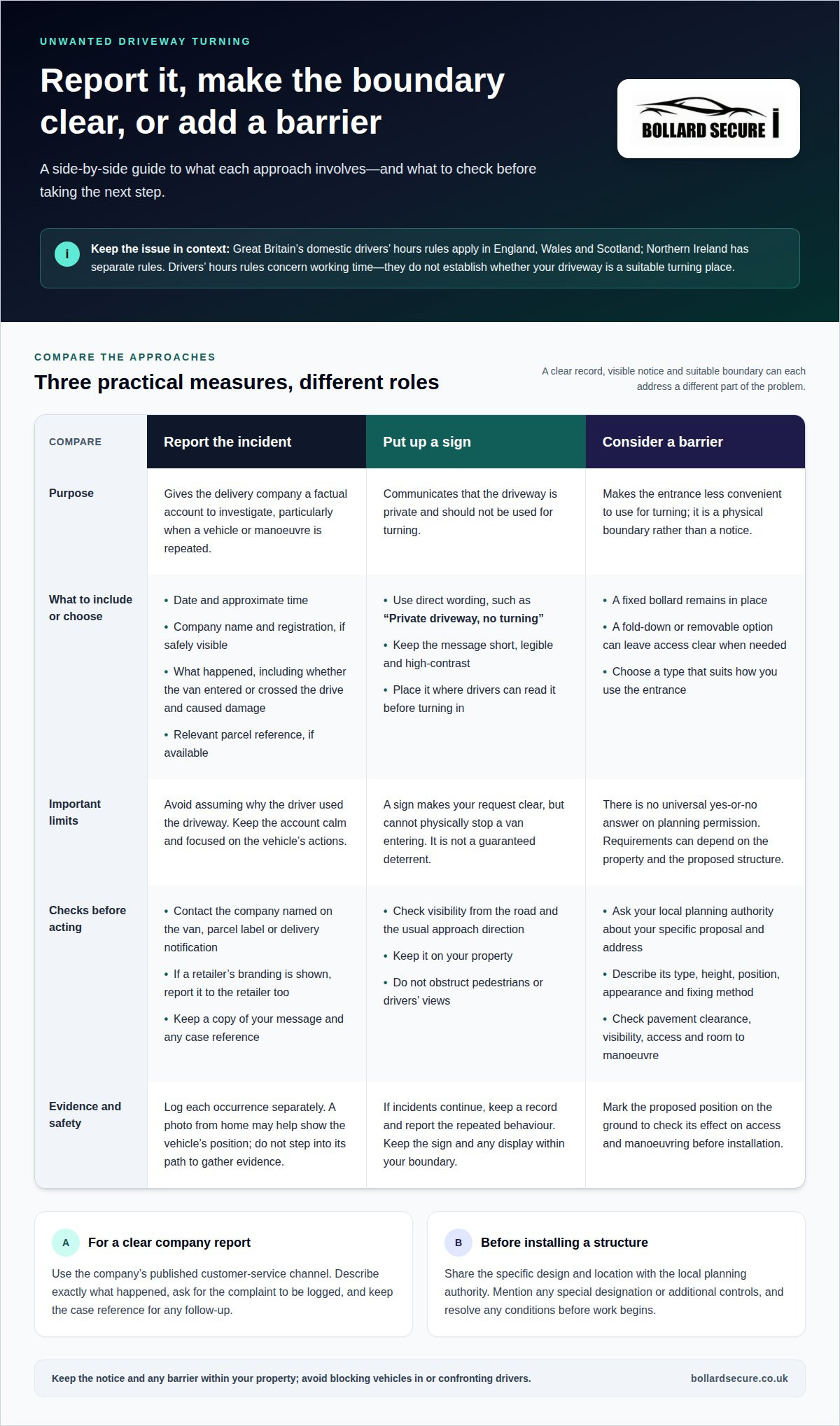
3. How do I report delivery vans using my drive?
Start with the delivery company named on the van, parcel label or delivery notification. If the vehicle carries a retailer’s branding, report the incident to the retailer too and identify the delivery. Describe exactly what happened, for example: “A van entered my drive to turn around, then reversed onto the pavement.” This gives staff a clear account without assuming why the driver used your driveway.
Keep a simple incident record before contacting customer services. Note the date, approximate time, vehicle registration if safely visible, company name and what happened. Record whether the van entered or crossed the drive, and whether it caused damage. If it happens repeatedly, log each incident separately. A photo taken from your home may help show the vehicle’s position, but don’t step into its path to gather evidence.
Use the company’s published customer-service channel, such as its contact form, email or telephone service. Include your address or a clear location description, the incident details and any relevant parcel reference. Ask for the complaint to be logged and for an explanation of how it will reach the appropriate delivery team. Keep a copy of your message and any case reference so you can refer to the same details if the problem continues.
According to the Driver and Vehicle Standards Agency, Great Britain’s domestic drivers’ hours rules apply in England, Wales and Scotland; Northern Ireland has separate rules. These rules concern drivers’ hours. When reporting an incident, focus on how the driver used your driveway rather than assuming that time pressure explains or excuses it. A factual account gives the company something practical to investigate, such as a particular vehicle or repeated manoeuvre.
If the company’s response doesn’t address the incidents, follow up with your case reference and the dates of any further occurrences. Keep the message calm and brief. Ask whether the complaint has been passed to the relevant delivery team and request a response about the reported behaviour. This creates a clear record of your efforts to resolve the issue directly.
4. Can I put up a sign to stop vehicles turning on my driveway in the UK?
A sign at the driveway entrance can tell drivers that the space is private and shouldn’t be used to turn. Use clear wording such as “Private driveway, no turning” rather than a vague message like “Keep out”. A sign communicates your request, but it can’t physically stop a van entering. Treat it as one practical measure, not a guaranteed deterrent.
Place the notice where approaching drivers can read it before turning into the entrance. A sign hidden by a hedge, parked car or open gate may be easy to miss. Check its visibility from the road and from the direction vans usually approach. Keep it on your property, and make sure it doesn’t obstruct pedestrians or drivers’ views.
Choose a simple design with legible lettering and strong contrast. A short message is easier to understand than several lines about previous incidents. Avoid wording that implies you have powers or authority you don’t hold. A straightforward notice sets expectations without inviting an unnecessary exchange with a driver.
If vans continue using the drive, log each incident and report the repeated behaviour to the delivery company. A sign may help show that drivers received clear notice, while dates and vehicle details make your report more specific. Don’t put anything in the road to draw attention to the sign; keep the notice and any display within your boundary.
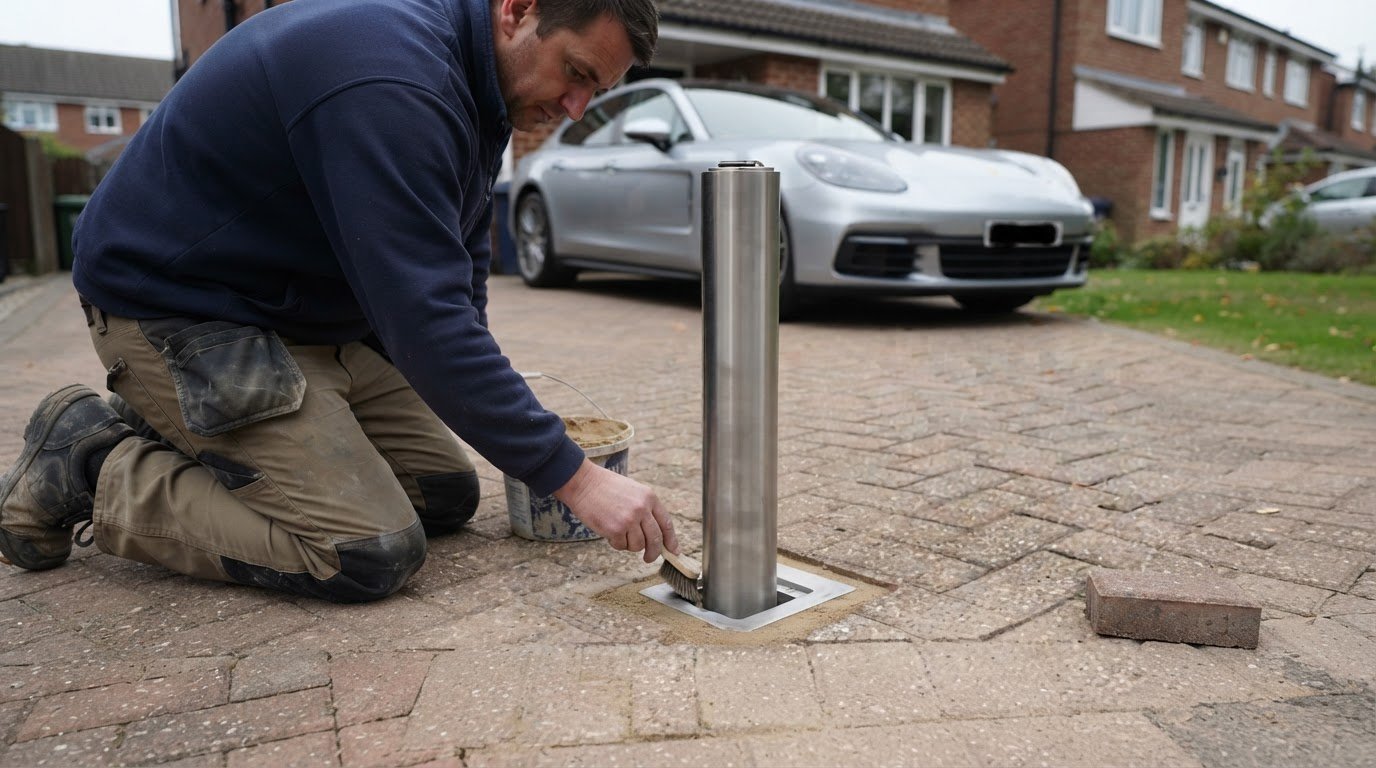
Where a sign alone isn’t enough, a physical boundary can make the entrance less convenient to use for turning. A static bollard is one option for a driveway that doesn’t need a removable access point. Explore driveway bollard options as a practical next step alongside clear signage.
3. Can I install a gate, bollard or other obstruction across my driveway without planning permission?
There isn’t a universal yes-or-no answer on planning permission for every UK driveway. Requirements can depend on the property and the proposed structure. A low bollard set back within a driveway differs from a tall gate at the entrance. Before buying materials or arranging installation, ask your local planning authority about your specific proposal and address.
Describe the proposed barrier precisely, including its type, height, position, appearance and fixing method. Explain whether it will sit behind the boundary or beside the pavement, and whether it will open across shared access. A sketch or photograph marked with the proposed location can help the council assess the actual work rather than a general question about a driveway barrier.
Mention any property features that could affect planning restrictions, such as a special designation or an area with additional controls. Don’t assume a neighbour’s gate sets a precedent: the property, boundary and proposal may differ. Keep the council’s response with your plans and resolve any conditions before work begins.
Planning permission is only one practical consideration. Make sure a barrier won’t obstruct the pavement, reduce visibility for vehicles leaving the drive or prevent you from using your parking space. A gate needs room to open, and a fixed obstruction needs to leave enough space for normal access. Mark the intended position on the ground before installation to see how it affects manoeuvring.
Choose a barrier to suit how you use the entrance. A fold-down or removable option can leave access clear when needed, while a fixed barrier remains in place. If you’re considering a bollard, confirm the proposed location and installation details with the planning authority before committing. This helps you make an informed choice and avoid a structure that conflicts with site-specific requirements.
4. What are the risks of blocking a driveway or confronting delivery drivers
Blocking a delivery van can turn a brief driveway incident into a more serious dispute. A vehicle parked across the entrance may prevent the driver from leaving, delay deliveries or obstruct other residents. Near a pavement or road, a poorly placed obstruction could also affect pedestrians or nearby traffic. Don’t use your car, bins or other objects to trap a van.
A face-to-face confrontation can escalate, particularly if either person feels challenged. Shouting, threats or touching the driver or vehicle can increase tension and make the original problem harder to resolve. Keep a safe distance, speak calmly if necessary, and never stand behind a reversing van. If the driver becomes threatening, move to a safe place and seek appropriate help.
There can be practical consequences for you, too. A heated exchange may distract you from recording useful details, such as the registration, company name and time. If you block access, the driver may be unable to complete their route or make another delivery. Damage to a vehicle, gate or driveway could lead to a separate dispute about what happened and who was responsible.
Take a safer approach: record the incident from a safe position, don’t obstruct the vehicle, and make a factual report to the delivery company. If a van is currently blocking your access, explain the issue calmly and ask the driver to move when it’s safe. Don’t try to force the vehicle away or damage it.
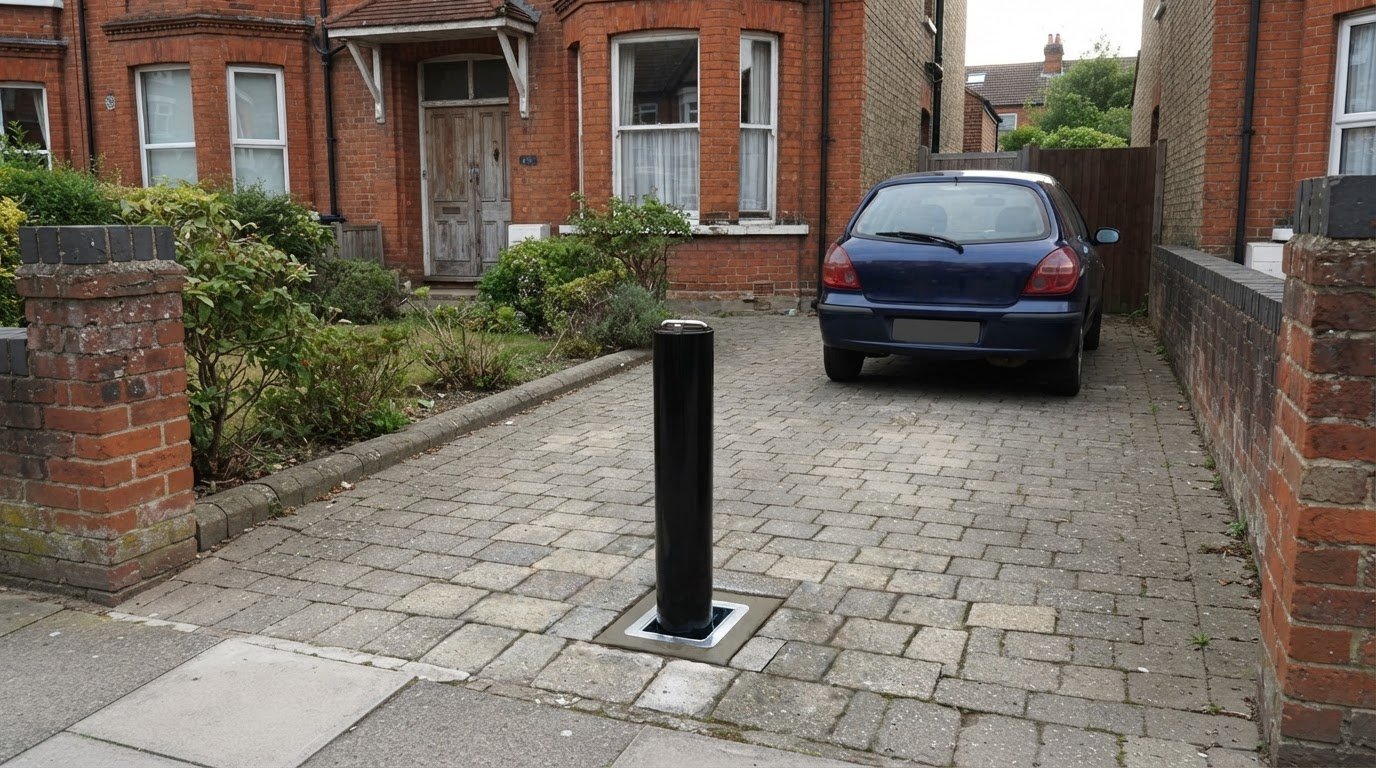
If vans repeatedly turn on your drive, a clearly positioned physical barrier can address the access problem without relying on an argument each time. It should preserve your own access and avoid obstructing the pavement or road. Consider a professionally planned barrier as a more controlled way to discourage vehicles from entering.
Bollard Secure
Bollard Secure can help you consider a physical way to discourage delivery vans from turning on your drive. If signs and reports haven’t stopped repeated use, a driveway access-control option may create a more lasting boundary.
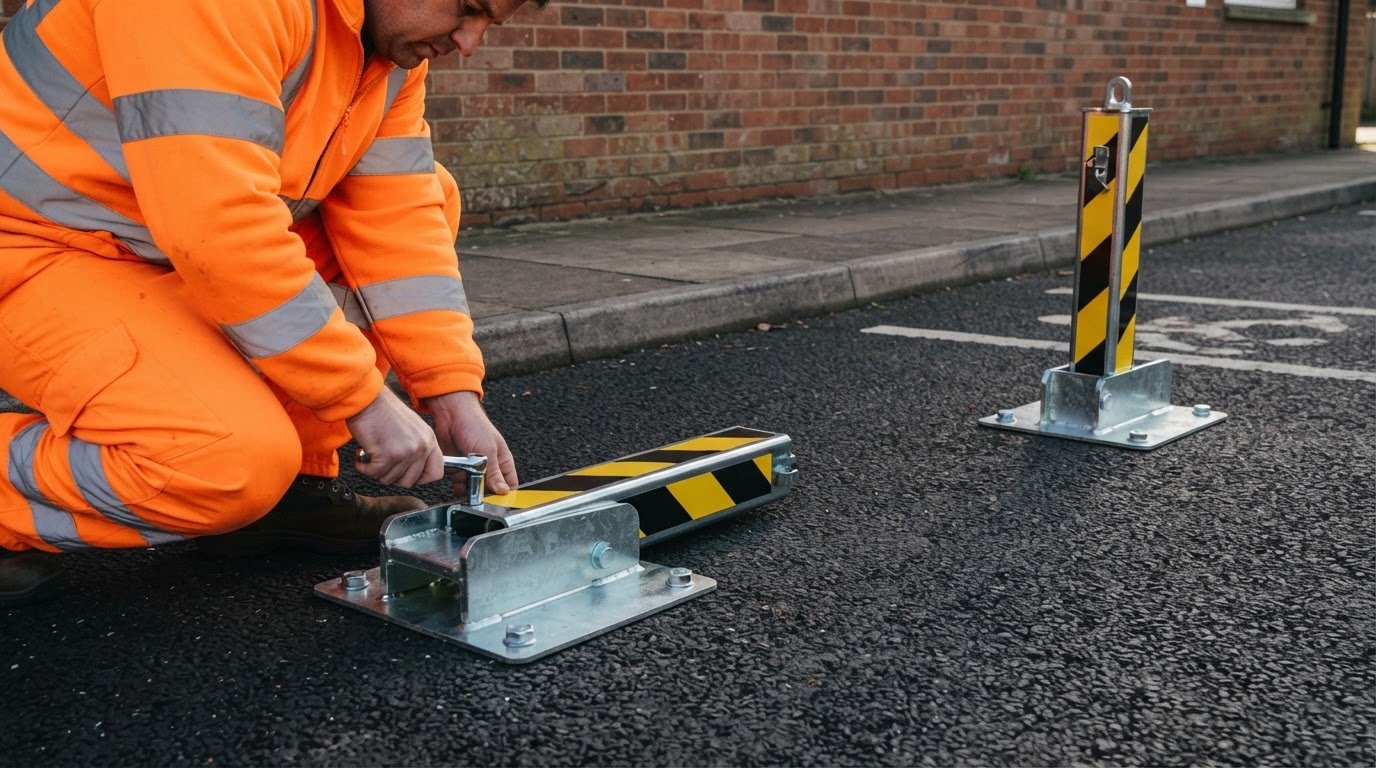
Fold-down Bollards, Telescopic Bollards, Parking Posts and Removable Bollards offer different ways to manage vehicle access. The right option depends on how you use the entrance and whether you need to lower or remove the obstruction for your own vehicle. Consider your driveway layout and everyday access needs before choosing.
Contact Bollard Secure to discuss your driveway and find an access-control option that suits how you use it.
Take the next step towards a protected driveway
To decide how to stop delivery vans turning on my drive, first consider how you use the entrance every day. A barrier should discourage unwanted access while still allowing you, household members and authorised visitors to reach the property. Think about that balance before choosing a solution.
Consider your routine: do you need clear access for a car, deliveries or occasional larger vehicles? Would you prefer an obstruction that can be lowered or removed, or a fixed boundary? These practical details help you choose an option that fits the driveway without creating a new inconvenience.
If you’re ready to discuss a suitable approach for your property, contact Bollard Secure. A considered next step can help you move from repeated complaints towards a driveway access plan that works for everyday life.
Frequently Asked Questions
Can delivery vans legally turn around on a private driveway in the UK?
A delivery schedule or drivers’ hours rules do not, by themselves, give a driver permission to use a private driveway. How to stop delivery vans turning on my drive is a separate question from drivers’ working-time rules, which don’t establish access rights. Whether a particular use is lawful depends on ownership and any access rights affecting the property. If you’re unsure about your position, seek advice specific to your property.
What can I do if delivery drivers repeatedly use my driveway to turn around?
If the van is delivering an order, report repeated use to both the retailer and the delivery company. Include the order reference so the retailer can identify the delivery, and ask for the access concern to be recorded with your complaint. If you’re considering how to stop delivery vans turning on my drive at a rented property, a landlord or property manager may also help address changes to the driveway or boundary.
What driveway barriers or bollards can prevent vans from turning around, and how much do they cost?
Bollard Secure offers Fold-down Bollards, Telescopic Bollards, Removable Bollards and Parking Posts for driveway access management. Your choice depends on whether you need to clear the entrance for your own vehicle. Parking Posts are designed to reserve a parking space, not to provide security like a bollard. Contact Bollard Secure for a project-specific price.
Comments