
Commercial Car Park Barriers: UK Buying Guide 2026
The barrier that looks most secure isn’t always right for a busy car park. If it slows staff, visitors or deliveries at the entrance, it may create as many problems as it solves. Choosing commercial car park barriers UK sites can rely on starts with the access workflow: who needs to enter, how often, and what needs to be controlled?
Balancing security with convenience means looking beyond traffic levels. A manual barrier may suit a lower-traffic entrance where staff can manage access, while an automatic system may suit frequent vehicle movements. Entrance width, available space, vehicle types and any need to restrict vehicle height also affect which setup makes practical sense.
This guide compares manual and automatic arm barriers, height barriers and bollards, with practical criteria for assessing the trade-offs. Use the site-based steps to narrow your options and plan a specification around your layout, traffic flow and access-control needs. Bollard Secure supplies commercial access barriers and perimeter hardware, including manual arm barriers and height barriers, as well as a range of bollards for different site requirements.
Table of Contents
Commercial car park barriers UK: define the access problem first
Commercial car park barrier types: understand the main options
Manual, automatic or bollard barriers: compare by site requirements
Plan a commercial car park barrier specification before buying
Choose a UK commercial car park barrier supplier and take the next step
Commercial car park barriers UK: define the access problem first
Start with the central decision: how can you restrict unauthorised vehicle access while keeping entry straightforward for the people who should be on site? A commercial car park barrier is a physical control point that manages vehicle movement at an entrance or within a site. It can help shape access, but it doesn’t decide who has permission to enter. That depends on the site’s access rules and how they are applied.
Choose a barrier around traffic volume, access rules and entrance geometry. This is more useful than choosing by appearance or assuming that one type suits every car park. A barrier supports an access-control process; it doesn’t create permissions by itself. Consider how access is authorised, who is responsible for it and what happens when a vehicle needs to enter outside the usual pattern.
An entrance used by staff at busy arrival times has different demands from a service access point used occasionally by deliveries. The physical control point needs to suit the movement it manages. Some sites may also need several coordinated access points rather than a single controlled entrance. Starting with the site’s needs helps narrow the options before you compare equipment.
What should a commercial car park barrier control?
List the user groups first. Staff, visitors, residents, delivery drivers and service vehicles may follow different access rules. Then identify the main priority at each entrance: restricting entry, keeping vehicles moving or controlling vehicle height. A site may need to balance several aims, so note which is most important at each point.
Map the access points across the site, too. A single entrance may be straightforward to manage, while separate staff, visitor or service entrances can have different operating needs. Physical measures such as bollards can also help control traffic or mark out areas, depending on their placement and purpose.
Which site details shape the initial shortlist?
Walk the route a vehicle takes, from approach to exit. Record the entrance width, available clearance and approach angle. Note nearby pedestrian routes and crossing points. These details help establish whether a barrier can control the intended route without creating an awkward approach or interfering with movement around the entrance.
Think about operating patterns, not just a daily total. When do staff, visitors or deliveries tend to arrive? Where could a queue form, and might it affect another entrance, a pedestrian route or internal circulation? A simple site sketch showing likely busy periods and potential queueing points can help identify pressure spots.
Finally, list the vehicles that need access, including cars, vans and taller service vehicles. Consider their clearance needs alongside the entrance layout. The aim is to create a practical shortlist based on what the site must control and how vehicles use it, before comparing barrier types in detail.
Commercial car park barrier types: understand the main options
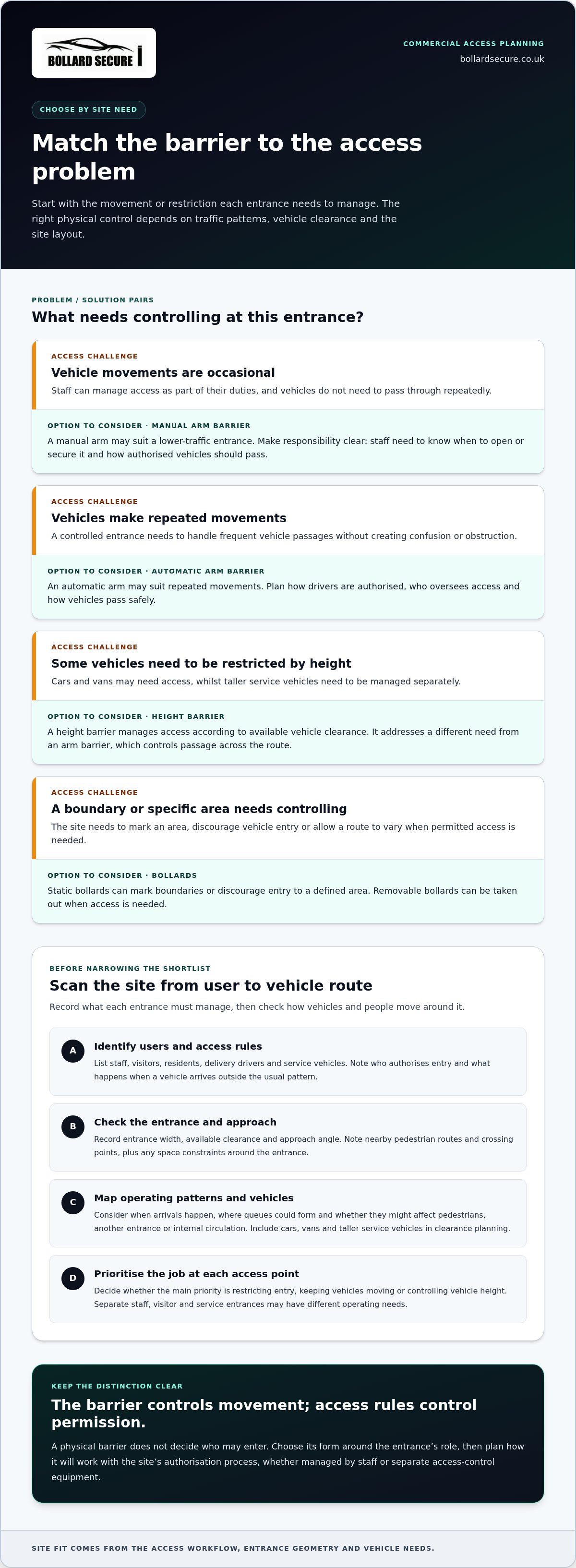
Once you’ve mapped the access problem, compare barrier types by the job each needs to do. Manual and automatic arm barriers control vehicle movement across an entrance. Height barriers manage access according to vehicle clearance. Bollards can mark out areas or restrict vehicle access at specific points. The right option depends on the site layout and operating pattern.
An arm barrier controls passage across an entrance, while a height barrier manages access by limiting the clearance available to vehicles. That distinction matters where cars and vans need access but taller service vehicles must be managed separately. For a wider view of how arm barriers and height restrictions fit into perimeter planning, consider the site’s guidance on perimeter management.
Keep the physical barrier separate from the system or process that identifies and authorises drivers. The barrier is the physical control point; permissions come from the access rules and how they are applied. That process may involve staff or separate access-control equipment. Choose the physical form around the entrance’s role, then consider how it will work with the site’s chosen authorisation process.
When might a manual or automatic arm barrier suit a car park?
A manual arm barrier can suit an entrance where vehicle movements are occasional enough for staff to operate it as part of their duties. This approach needs clear responsibility: staff should know when to open or secure the entrance and how authorised vehicles should pass.
An automatic arm barrier may suit a controlled entrance where repeated vehicle movements need to be managed. The operating arrangements still matter. Plan how drivers are authorised, who oversees access and how vehicles can pass safely without confusion or obstruction.
Where do height barriers and bollards fit?
Use a height barrier where the main requirement is to manage entry by vehicle clearance, such as separating car access from taller service vehicles. It addresses a different question from an arm barrier, which controls passage across the route rather than vehicle height.
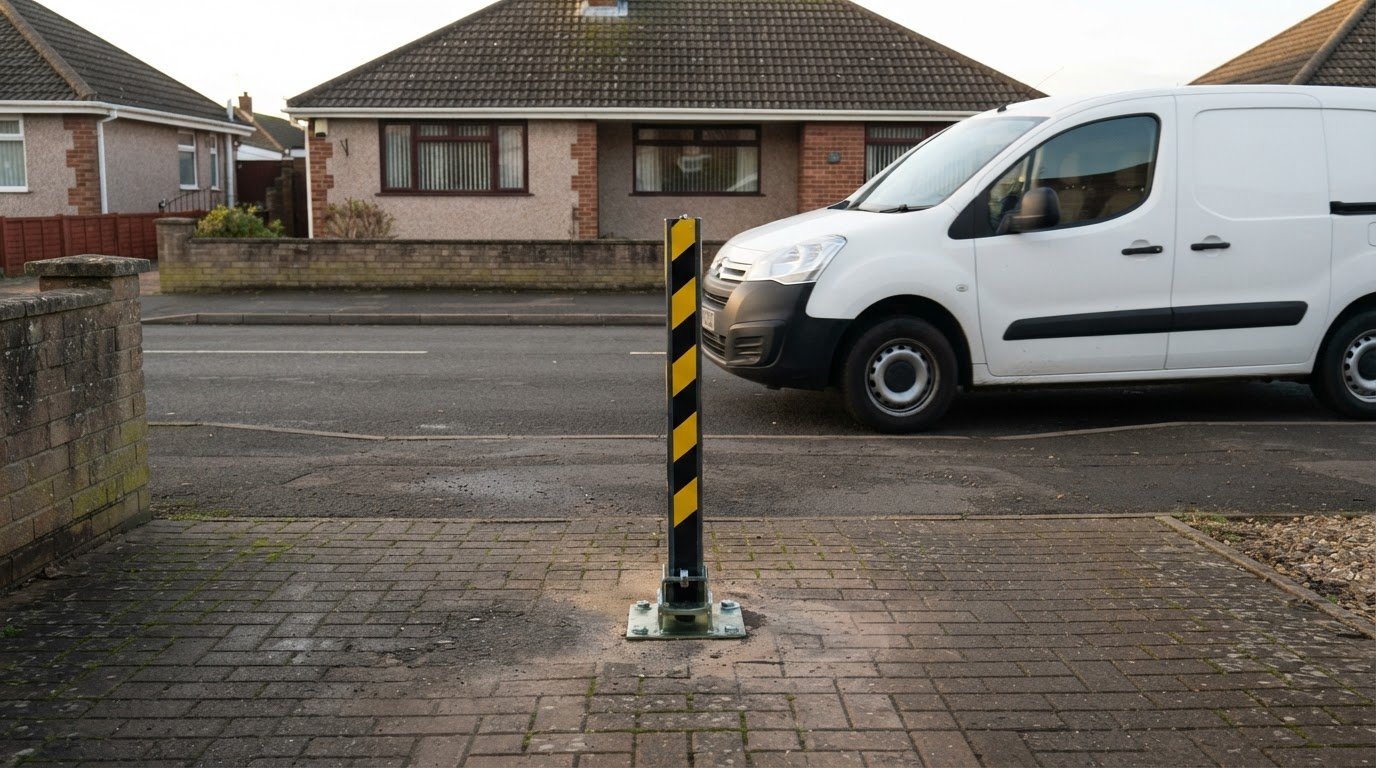
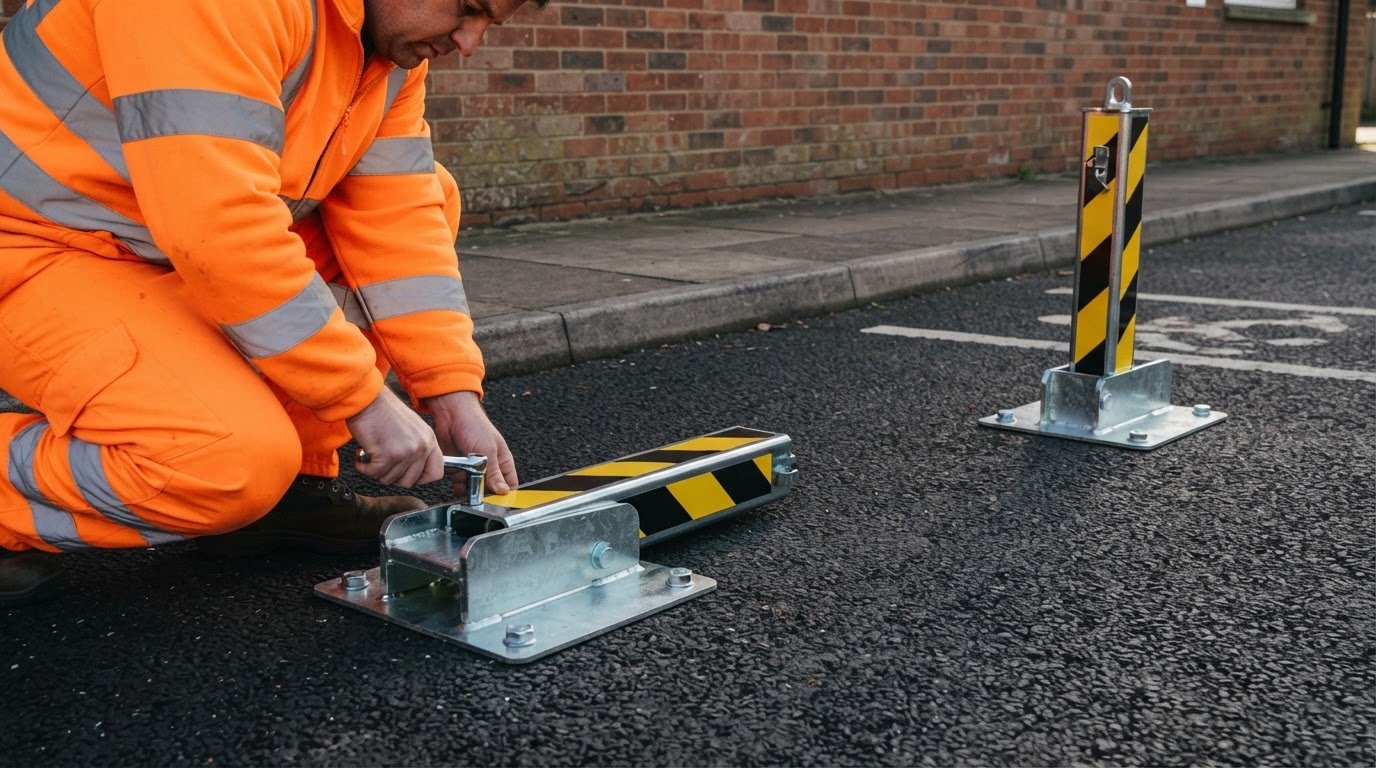
Static bollards can mark boundaries or discourage vehicles from entering a defined area. Removable bollards provide a physical restriction that can be taken out when access is needed, making them useful where permitted access or vehicle routes vary. Bollards can also help define individual spaces. For allocated-space protection, consider a fold-down bollard alongside the site’s wider access measures.
Match the equipment to the task, not just the entrance. Bollard Secure supplies commercial manual arm and height barriers alongside static, removable and other perimeter products. Explore the commercial barrier and perimeter options that fit your site’s access objectives, then use your shortlist to plan the specification.
Manual, automatic or bollard barriers: compare by site requirements
Compare options against the task at each entrance, rather than treating them as interchangeable. The right fit depends on how vehicles approach, how often access is needed and whether control is required across a route, by vehicle height or at individual points. For commercial car park barriers UK sites, the operating process matters as much as the physical form.
Rule of thumb: match the barrier form to the access task and the way vehicles move through the site. Use this comparison to narrow the shortlist, then test each option against staffing, layout and vehicle mix.
How do traffic frequency and staffing affect the choice?
Frequent movements call for a well-defined operating process, so drivers understand how access is authorised and what to do at the entrance. An automatic arm may suit that pattern, but automation alone doesn’t define permissions. Specify any required controls or integrations for the particular system and site.
A manual arm makes staff involvement part of the process. Consider who will operate it during expected access periods and how responsibilities are handed over. If staff aren’t reliably available when vehicles need to pass, manual operation may be impractical. Base the decision on actual product specifications and site requirements, rather than assumed cycle speeds or reliability.
How do layout and vehicle mix change the comparison?
An arm needs room to operate across the vehicle route, so assess its clearance area and how vehicles line up to pass. Bollards take up space at their individual positions; place them so the intended route remains usable while unwanted access is restricted. Neither arrangement should obstruct a separate pedestrian route.
Include taller vehicles in the assessment before selecting a height barrier. Consider which service vehicles need entry and whether their access can be managed without undermining the site’s intended restriction. Visibility matters as well: drivers and pedestrians need to see the control point and understand the route. Mark sightlines and pedestrian paths on the site plan before settling on an arrangement.
Plan a commercial car park barrier specification before buying
A useful specification turns site observations into clear requirements. It helps you compare commercial car park barriers UK sites can use without overlooking practical details such as stopping space, pedestrian routes or vehicle clearance. Work through these steps in order, and distinguish details you’ve measured or verified from assumptions.
Define the access objective. State what the barrier needs to control, which users should pass and how access is authorised. Note whether the priority is restricting entry, managing vehicle flow or limiting access by vehicle height.
Describe users and operating patterns. Record the expected vehicles, including cars, vans and taller service vehicles. Note delivery needs, visitor arrangements, operating frequency and likely busy periods. Include who manages access and whether staff will be available if you’re considering manual operation.
Measure the entrance and approach. Record the entrance width, available clearance and space for vehicles to approach, stop and pass through. Consider the approach angle and whether a vehicle’s position could affect the barrier’s operation.
Map movement around the control point. Mark pedestrian routes, crossing points, visibility and possible queueing areas. Check that a waiting vehicle won’t obstruct another entrance or interfere with people moving around the site.
Check installation and site constraints. Note ground conditions, nearby service routes and the equipment’s specified installation requirements. Identify relevant safety and legal requirements for verification against current UK guidance and the specific project. Don’t assume a general rule applies to every site.
Build a shortlist. Compare barrier forms against the recorded access objective, operating pattern, vehicle mix and layout. Identify any controls or integrations the intended system needs, and specify them for that site rather than treating them as standard features.
What information belongs in the project brief?
Bring the details together in one document: who needs access, which vehicles enter, how permissions are managed and what happens during busy periods or deliveries. Add photographs from the vehicle approach and a simple site plan showing dimensions, pedestrian routes, nearby services and possible stopping positions. Clear records make it easier to compare options against the actual layout, rather than relying on memory or assumptions.
What should be considered before installation?
Review the proposed position against ground conditions, service routes and the equipment’s specified installation requirements. Plan where vehicles can stop safely and consider how queues may affect other users. Verify current UK safety and access obligations for the project before finalising the arrangement; don’t infer compliance from the barrier type alone.
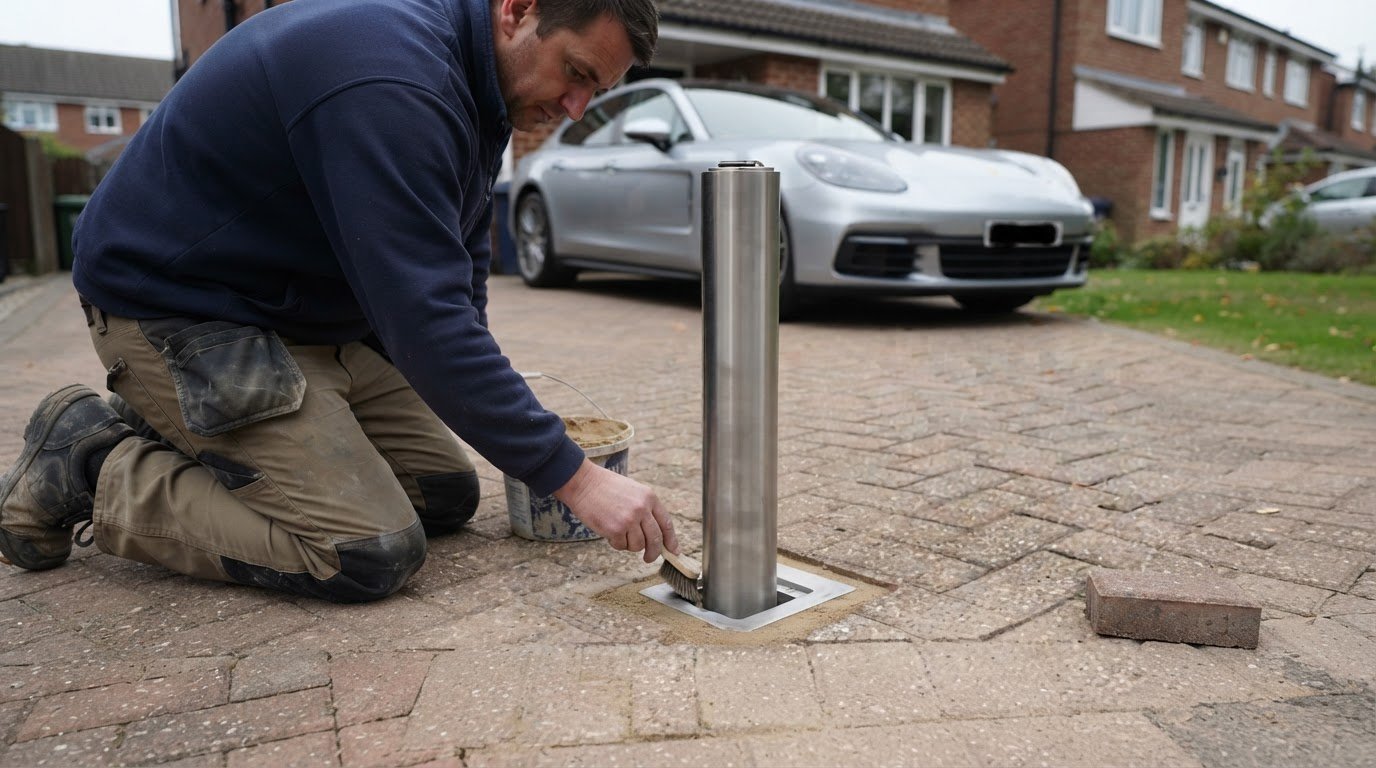
If you already own bollards, Bollard Secure provides an installation-only service for customer-owned security bollards. Arrange bollard installation for your existing hardware as part of your site plan.
Choose a UK commercial car park barrier supplier and take the next step
A useful shortlist should follow the site brief, not just a product category. Start with the access objective, then compare the traffic pattern, entrance layout and practical operating approach. This keeps commercial car park barriers UK projects focused on what the site needs to manage, rather than on features that may not address the underlying access issue.
How can buyers narrow the shortlist confidently?
First, rule out options that conflict with the entrance geometry, vehicle clearance or pedestrian movement. A barrier that doesn’t fit the route or leaves no practical space for people and vehicles to pass is unlikely to work, whatever its other features.
Next, compare the remaining options with the site’s daily operation. Consider who manages access, how vehicles arrive during busy periods and whether access needs change for deliveries or service vehicles. Assess a manual arm, automatic arm, height barrier or bollard arrangement against those real demands, rather than choosing on a feature headline alone.
Keep project requirements specific. Where a product specification, operating control or integration matters to the decision, base the comparison on verified information for that equipment and site. Separate essential requirements from preferences so the final shortlist stays practical and easy to review.
What is the practical next step for a site operator?
Bring the access objective, vehicle and traffic details, entrance measurements, pedestrian routes and operating approach into one brief. Identify which barrier categories could meet the objective, then use the layout constraints to narrow the options. If you’re comparing several entrances, record their needs separately; one site may have different access tasks at different points.
Bollard Secure’s commercial range includes manual arm barriers, height barriers, static and removable bollards, plus other perimeter products such as fold-down and telescopic bollards, parking posts and hoop barriers. These categories can support different vehicle-control, access-restriction and perimeter-demarcation needs. Select products in line with the brief and their specifications.
If you already own security bollards, Bollard Secure offers an installation-only service for customer-owned bollards. It is an option for sites that have the hardware and need professional installation.
With the site requirements in hand, explore commercial barrier options that align with your access objective and operating needs.
Turn your site brief into a confident next step
A barrier decision is easier to progress when the site requirements are clear. Use your brief to explain what the entrance needs to achieve and what constraints the chosen setup must work within. This gives you a practical basis for comparing commercial car park barriers UK sites can use, without starting from a product feature or assuming that one solution fits every location.
Bollard Secure serves customers nationally across the UK and supplies commercial manual arm and height barrier options for different access requirements. If you already own bollards, Bollard Secure also provides an installation-only service for that customer-owned hardware. Keep your project notes close as you explore the range, so your next step stays connected to how the site operates.
Explore Bollard Secure’s commercial barrier options and take your shortlist forward with a clear view of the requirements. A well-defined brief is a strong starting point for choosing equipment that fits the site.
Frequently Asked Questions
Can a commercial car park barrier control both staff and visitor access?
Yes, a commercial car park barrier can control the shared vehicle entrance used by staff and visitors, but it doesn’t decide who is allowed through. The site’s operating process sets permissions. For example, staff might follow an agreed entry procedure, while visitors report to reception or follow separate instructions. Record each route and responsibility in the site brief. This helps specify commercial car park barriers UK requirements without assuming user-identification equipment is built in.
Is an automatic barrier always better than a manual car park barrier?
No. The suitable option depends on traffic frequency, staffing, entrance layout and the operating process the site needs. An automatic barrier may suit repeated controlled movements, while a manual arm may be practical where staff are available to manage access. Consider a quieter service entrance separately from a busy visitor entrance. Compare each option with actual site routines, and don’t assume automatic operation is inherently faster, more reliable or cheaper to run.
Can a height barrier stop every large vehicle entering a car park?
No height barrier should be assumed to stop every large vehicle. It is intended to manage access by vehicle clearance, and its effectiveness depends on correct specification and placement. List the tallest vehicles that still need to enter, such as delivery or maintenance vehicles, then compare their clearance needs with the selected product’s verified dimensions. Consider the approach route too, as a barrier only addresses clearance at the point where it is installed.
Do car park barriers need a separate access-control system?
Not necessarily. A physical barrier controls vehicle passage; a separate process or equipment may be used to decide who is authorised to enter. Requirements depend on how the site manages access. Staff, for example, may operate an entrance manually, or a site may use a separate authorisation process. Before selecting equipment, specify how access decisions will be made and what the barrier needs to do. Don’t assume any particular electronic controls are included.
What happens if an automatic car park barrier loses power?
Its behaviour depends on the specific barrier and its configuration, so don’t assume it will open or remain closed during a power loss. Treat this as a project-planning question: include the expected response, who is responsible for managing the entrance and how authorised vehicles should be handled. Describe only behaviour supported by verified product information. A clear contingency procedure helps staff respond consistently, without relying on guesswork at a busy access point.
Can bollards work alongside a commercial car park barrier?
Yes. They can address different physical access needs: a barrier may control an entrance, while bollards can protect or mark out a particular area elsewhere on site. Their suitability depends on vehicle routes, placement and available space. For instance, a car park may use an entrance barrier and separate bollards to define a forecourt edge. Removable bollards suit situations where access needs to be opened up at certain times.
How should a car park barrier account for pedestrians and deliveries?
Show pedestrian routes and delivery movements on the site plan. Mark where people cross vehicle paths, where delivery vehicles need to stop and whether their dimensions affect the entrance or turning route. Check that a waiting vehicle won’t block a walkway or another access point, and consider what drivers and pedestrians can see as they approach. Keep the plan specific to the site and verify applicable safety requirements rather than treating one rule as universal.
Comments